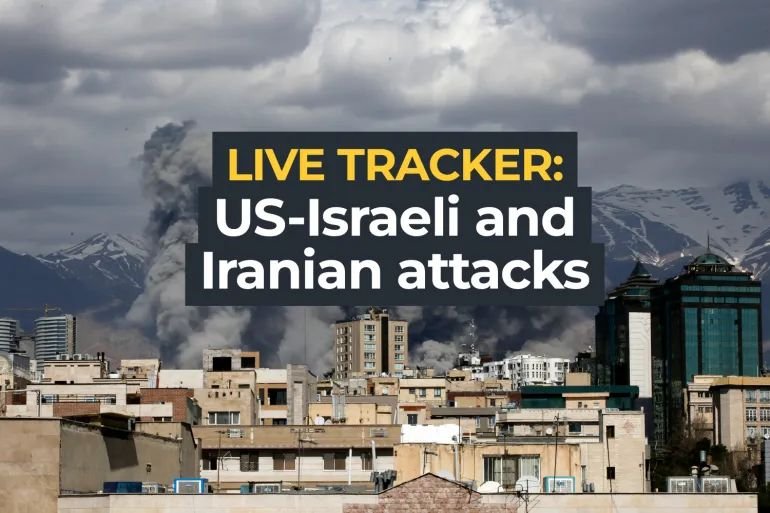
Live Updates Israel USA vs Iran
The world is watching closely as tensions involving Israel, the United States, and Iran continue to evolve. In a region already shaped by decades of geopolitical rivalry, every development — from diplomatic statements to military movements — can shift the global conversation. This article breaks down the latest live updates, explains what’s happening, and helps you understand why it matters.
What’s Happening Right Now
The current situation between Israel, the United States, and Iran is a complex mix of military posture, diplomacy, and regional alliances. Recent updates suggest:
- Increased military readiness in strategic areas of the Middle East
- Diplomatic messaging from global organizations, including the united nations
- Ongoing intelligence monitoring and defense coordination led by institutions like the pentagon
- Heightened rhetoric and warnings from both sides
These live developments highlight how quickly regional tensions can escalate — and how closely international actors are tracking the situation.
Why the Israel–USA vs Iran Tension Matters Globally
1. Impact on Middle East Stability
The Middle East is a strategic crossroads for global energy supply, trade routes, and international security. Any escalation involving Iran and Israel, especially with U.S. involvement, can influence:
- Regional alliances
- Oil prices and energy markets
- Security policies in neighboring countries
Organizations such as the international atomic agency are also monitoring nuclear-related concerns, which often play a central role in diplomatic discussions.
2. Global Security and Alliances
Major military alliances and security partners are watching closely. For example, members of NATO often coordinate on intelligence and strategic responses when regional conflicts threaten broader stability.
This means the situation isn’t just regional — it can influence defense planning across Europe, Asia, and beyond.
3. Economic Ripple Effects
Even without direct conflict, rising tensions can lead to:
- Market volatility
- Higher fuel prices
- Disruptions in shipping routes
- Investor uncertainty
In past geopolitical crises, global markets reacted within hours of major announcements or military developments.
Key Developments to Watch in Live Updates
Military Movements
Analysts are paying attention to troop deployments, naval movements, and missile defense systems. These indicators often signal whether tensions are rising or stabilizing.
Diplomatic Statements
Statements from governments and international bodies can change the direction of events quickly. A call for negotiations or a warning of retaliation can reshape headlines within minutes.
Cyber and Intelligence Activity
Modern conflicts don’t only happen on battlefields. Cyber operations, intelligence leaks, and strategic messaging are increasingly important parts of geopolitical confrontations.
Understanding the Background of the Conflict
To follow live updates effectively, it helps to understand the broader context:
- Israel views Iran’s regional influence and military capabilities as a security threat.
- The United States has long supported Israel’s defense while maintaining complex diplomatic relations with Iran.
- Iran has alliances and proxy relationships across the region, which complicates the strategic landscape.
Because of these factors, developments in one country can quickly involve multiple nations.
How to Follow Reliable Live Updates
With so much information circulating online, it’s important to stay informed using credible sources. Here are a few practical tips:
- Follow verified international news outlets that have correspondents in the region.
- Watch official statements from government agencies and global organizations.
- Avoid unverified social media rumors, especially during breaking news events.
- Track multiple perspectives to understand how different countries interpret events.
These steps help ensure you’re seeing accurate updates rather than speculation.
What Could Happen Next
Experts suggest several possible paths depending on diplomatic efforts and military decisions:
- De-escalation through negotiations or international mediation
- Limited regional confrontations
- Expanded geopolitical tensions involving additional actors
The coming days and weeks will likely determine whether the situation stabilizes or intensifies.
Final Takeaway
The ongoing Israel–USA vs Iran situation is one of the most closely watched geopolitical developments right now. Live updates matter because each move — diplomatic, military, or economic — can reshape the balance of power in the Middle East and beyond. Staying informed with reliable sources and understanding the broader context helps make sense of fast-moving headlines.