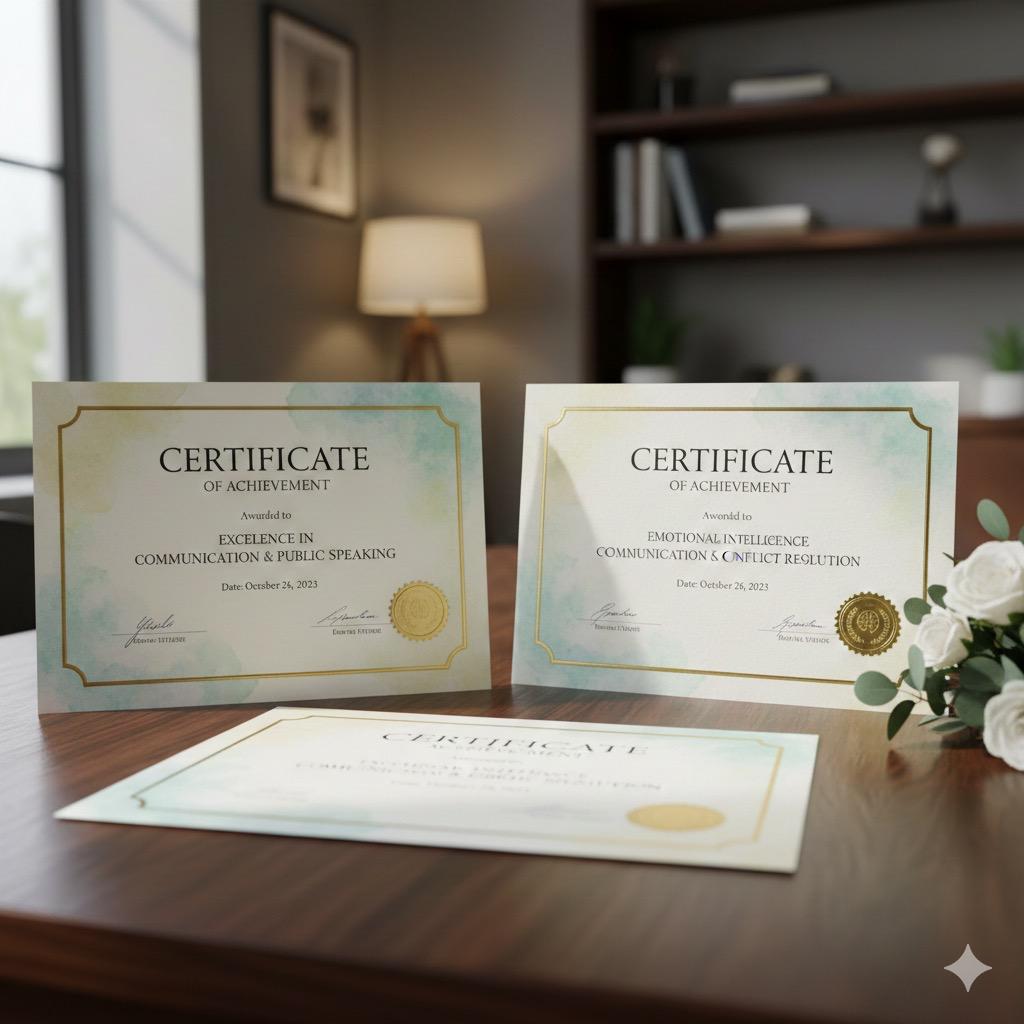
In the modern world, success is no longer defined only by degrees, marks, or technical expertise. Employers and institutions increasingly value how a person communicates, collaborates, and adapts to change. These abilities are known as soft skills, and they play a crucial role in personal growth and professional success. Because of this rising importance, many organizations are now focusing on making soft skills certification mandatory.
Mandatory soft skills certification ensures that individuals develop essential human-centered skills alongside technical knowledge. This approach helps students become job-ready and employees perform better in real world situations.
What are How To Make Mandatory Soft Skills Certification ?
Mandatory soft skills certification is a formal requirement that individuals must complete a certified soft skills training program to meet academic, professional, or organizational standards. These certifications focus on non-technical abilities such as communication, teamwork, leadership, time management, critical thinking, and emotional intelligence.
When soft skills certification is made mandatory, it becomes a compulsory part of education or employment. For example, a university may require students to pass a soft skills course before graduation, or a company may require new employees to complete certification during onboarding. The aim is to ensure that everyone has a basic and consistent level of interpersonal and professional competence.
How are How To Make Mandatory Soft Skills Certification ? Work
The process of implementing mandatory soft skills certification usually follows a structured and transparent approach. First, an institution or organization identifies the most important soft skills required for success in its specific environment. These skills are then included in a certified training program.
Participants enroll in the program, which may be delivered through online courses, workshops, seminars, or blended learning models. Training often includes practical activities such as role-playing, group discussions, presentations, and real-life scenarios.
After completing the training, participants are assessed through quizzes, assignments, presentations, or practical evaluations. Once they meet the required standards, they receive a certification. This certificate becomes proof that the individual has successfully developed essential soft skills.
Features of How To Make Mandatory Soft Skills Certification ?
Mandatory soft skills certification programs come with several important features that make them effective and reliable.
One key feature is standardized learning content, which ensures that all participants receive the same quality of training. Another feature is practical skill development, focusing on real-world application rather than theory alone.
These programs often include flexible learning options, such as online modules and self-paced lessons, making them accessible to a wide audience. Assessment-based certification ensures credibility by verifying actual skill improvement.
Additionally, many programs offer recognized certification, which adds value to resumes and professional profiles. Continuous updates to the curriculum ensure relevance with changing workplace demands.
Pros of How To Make Mandatory Soft Skills Certification ?
| Pros | Description |
|---|---|
| Improves employability | Enhances communication, teamwork, and leadership skills |
| Standardized skill level | Ensures everyone meets minimum soft skill requirements |
| Builds confidence | Helps individuals express ideas clearly and professionally |
| Workplace readiness | Prepares students and employees for real-world challenges |
| Long-term career growth | Supports promotions and leadership opportunities |
Cons of How To Make Mandatory Soft Skills Certification ?
| Cons | Description |
|---|---|
| Time commitment | Requires additional time alongside studies or work |
| Implementation cost | Training and certification may involve expenses |
| Resistance to change | Some individuals may see it as unnecessary |
| One-size limitation | May not address individual learning styles fully |
| Assessment pressure | Evaluations can cause stress for some participants |
How To Make Mandatory Soft Skills Certification ? Alternatives
| Alternative | Description |
|---|---|
| Optional workshops | Voluntary soft skills training programs |
| On-the-job training | Skills learned through real work experience |
| Mentorship programs | Guidance from experienced professionals |
| Online self-learning | Independent courses without certification |
| Performance-based evaluation | Skills assessed informally during work or study |
Conclusion and Verdict How To Make Mandatory Soft Skills Certification ?
Mandatory soft skills certification is a powerful step toward creating well-rounded individuals who are prepared for real-life challenges. While technical skills remain important, soft skills determine how effectively a person applies knowledge, interacts with others, and grows professionally.
Apply
Although there are challenges such as time and cost, the long-term benefits far outweigh the drawbacks. When implemented thoughtfully, mandatory soft skills certification improves employability, workplace harmony, and overall performance.
Final Verdict: Making soft skills certification mandatory is a smart and future-focused decision. It bridges the gap between education and real-world expectations, helping individuals succeed not only in their careers but also in their personal lives.