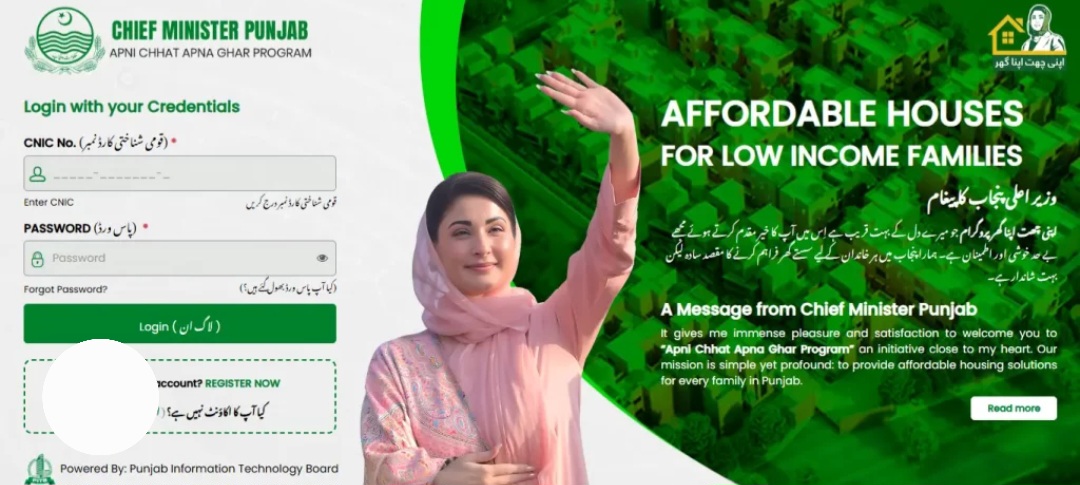
Maryam Nawaz Apna Zameen Apna Ghar Program
Owning a home is a dream for millions of Pakistanis—but for low-income families, rising land prices and construction costs often make that dream feel impossible. To address this long-standing issue, Maryam Nawaz Apna Zameen Apna Ghar Program has emerged as a powerful housing initiative aimed at giving deserving families a place they can finally call their own.
This program is not just about building houses; it’s about dignity, stability, and long-term security for people who have struggled with housing for years.
What Is Maryam Nawaz Apna Zameen Apna Ghar Program?
The Apna Zameen Apna Ghar Program is a government-backed housing scheme launched under the leadership of Maryam Nawaz. Its core objective is simple but impactful:
Provide land (plots) and affordable housing opportunities to homeless and low-income families.
Unlike traditional housing schemes that require large upfront payments, this program focuses on accessibility, ensuring that even the poorest segments of society can benefit.
Key Objectives of the Program
1. Home Ownership for the Deserving
The program prioritizes families who do not own any land or house, helping them break the cycle of renting and insecurity.
2. Affordable and Transparent Process
With clear eligibility rules and government oversight, the scheme aims to reduce corruption and middlemen involvement.
3. Social and Economic Stability
Stable housing leads to better health, education, and employment outcomes—benefiting not just families, but society as a whole.
Major Features of Apna Zameen Apna Ghar Scheme
Free or Subsidized Residential Plots
Eligible families may receive free or low-cost plots, depending on their financial condition.
? Low-Cost Housing Units
In some areas, ready-made houses or easy construction options are provided instead of just land.
? Easy Installment Plans
Where payment is required, installments are kept affordable and long-term, reducing financial pressure.
? Focus on Urban & Rural Areas
The program is designed to benefit people in both cities and villages, ensuring balanced development.
Who Is Eligible for the Program?
Although exact criteria may vary by phase or district, common eligibility requirements include:
Pakistani citizen with a valid CNIC
Does not own any land or house
Belongs to a low-income household
Preference for widows, laborers, disabled persons, and daily wage earners
Tip: Keep your NADRA and family registration records updated to avoid issues during verification.
How to Apply for Maryam Nawaz Apna Zameen Apna Ghar Program
Step-by-Step Application Process
Official Announcement:
Applications usually open after a formal government notification.
Online or Offline Registration:
Applicants may apply through an online portal or designated government offices.
Document Submission:
CNIC, income proof, and residence details are required.
Verification & Balloting:
Applications are verified, followed by a transparent balloting process.
Allotment & Possession:
Successful applicants receive plot allotment or housing details.
Real Impact on Communities
Programs like Apna Zameen Apna Ghar have a ripple effect. For example:
A daily wage laborer no longer worries about rent hikes.
Children grow up in stable homes, improving school attendance.
Families invest savings into education or small businesses instead of rent.
This makes the program not just a housing project—but a poverty reduction strategy.
Actionable Tips for Applicants
Apply early to avoid last-minute issues
Follow only official government sources for updates
Avoid agents or middlemen claiming guaranteed allotments
Keep copies of all submitted documents
Conclusion:
Why This Program Matters
The Maryam Nawaz Apna Zameen Apna Ghar Program represents hope for thousands of families who have long lived without permanent shelter. By focusing on fairness, affordability, and transparency, it sets a strong example of how housing initiatives should work in Pakistan.
If implemented consistently and monitored properly, this program can transform lives—turning the dream of “apna ghar” into a reality for those who need it the most.
A home is not a luxury—it’s a basic right. And this initiative is a step in the right direction.